
Global Standards in Dry Needling: Why International Dry Needling Education & Training Advisory Group (IDNETAG) Matters
Global Standards in Dry Needling: Why International Dry Needling Education & Training Advisory Group (IDNETAG) Matters
This course includes
The instructors
Overview
Dry needling has experienced rapid global growth - but with expansion comes responsibility.
In this Embodia course, Dr. Wael Mahmoud delivers a critical and timely examination of global safety standards in dry needling and the vital role of the International Dry Needling Education and Training Advisory Group (IDNETAG) in shaping the future of practice.
Drawing from over 40 years of clinical, academic, and leadership experience, Dr. Mimmude explores the risks associated with inconsistent training standards, terminology confusion, underreported adverse events, and reactive regulatory responses. He outlines the development of consensus-based, evidence-informed safety guidelines designed to unify practice internationally and protect both practitioners and patients.
This course provides healthcare professionals with an informed, global perspective on dry needling education, risk management, regulation, and professional accountability.
Learning Objectives
By the end of this course, participants will be able to:
-
Describe the global growth trends in dry needling and their implications for clinical practice.
-
Explain the mission and structure of IDNETAG and its role in international safety standardization.
-
Identify key gaps in current dry needling education, including variability in training hours, course quality, and competency assessment.
-
Differentiate between dry needling and acupuncture terminology to improve professional and patient communication.
-
Analyze the “loop of darkness” phenomenon affecting insurers, regulators, and practitioners.
-
Recognize the importance of adverse event reporting and data collection in shaping safe practice.
-
Apply principles from consensus-based safety guidelines for muscle-specific dry needling.
-
Evaluate emerging considerations such as ultrasound integration and Delphi consensus research.
Audience
This course is designed for:
-
Physiotherapists
-
Physical therapists
-
Chiropractors
-
Osteopaths
-
Sports medicine professionals
-
Rehabilitation clinicians
-
Educators and regulators involved in dry needling standards
-
Professional association leaders
It is particularly valuable for clinicians who practice dry needling or are responsible for overseeing training, credentialing, or risk management within their organizations.
Why This Course Matters
Dry needling’s popularity has expanded faster than standardized regulation.
Without consistent educational benchmarks and competency frameworks, variability in technique and training quality increases the risk of adverse events. These events, when poorly documented or misunderstood, can trigger restrictive regulatory actions — what Dr. Mimmude describes as the “loop of darkness.”
This course matters because it:
-
Promotes proactive, evidence-informed safety standards.
-
Clarifies misconceptions between dry needling and acupuncture.
-
Highlights the ethical imperative of accurate adverse event reporting.
-
Provides insight into how insurers and regulators respond to clinical risk.
-
Equips clinicians with globally informed safety guidance for muscle-specific needling.
-
Encourages interdisciplinary collaboration to protect patient outcomes.
For healthcare professionals committed to excellence, accountability, and long-term professional sustainability, this course delivers essential strategic insight.
About the Presenter
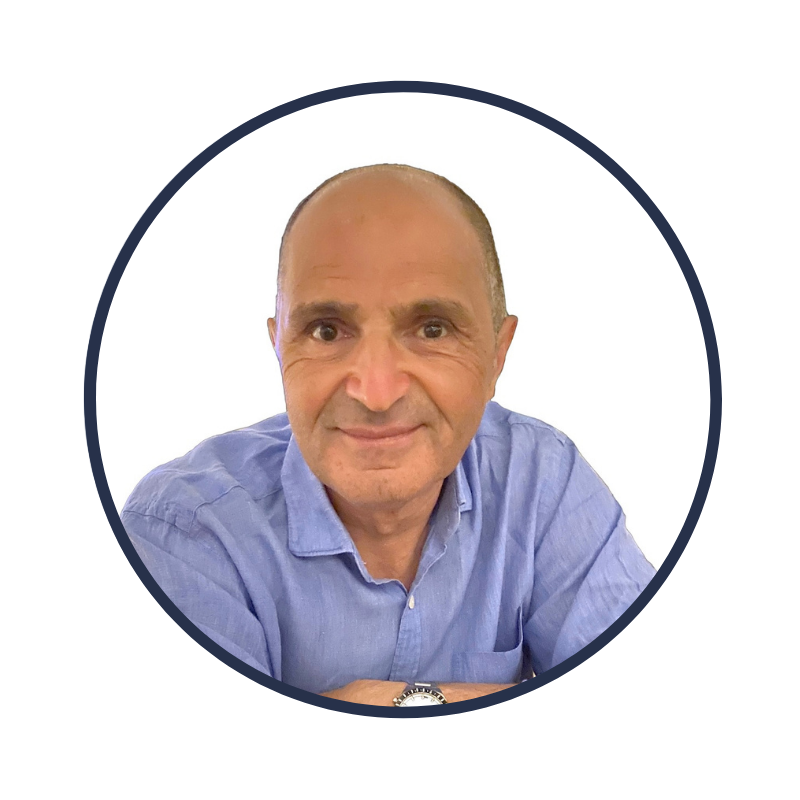
Dr. Wael Mahmoud is an internationally respected osteopath, acupuncturist, and educator with more than four decades of experience in manual therapy and dry needling.
He is a co-founder of the International Dry Needling Education and Training Advisory Group (IDNETAG), alongside Dr. Yan Dharmalt, bringing together experts from nine countries to develop global safety guidelines and advisory standards.
Dr. Mahmoud's work focuses on:
-
Safe clinical practice
-
Evidence-informed education
-
Regulatory collaboration
-
Adverse event research
-
International consensus building
His leadership has helped shape practical, muscle-specific guidelines aimed at improving safety and accessibility for practitioners at all levels.
The instructors

The Acupuncture Division of the Canadian Physiotherapy Association supports physiotherapists and physiotherapist assistants in advancing the use of acupuncture as an established core competency in physiotherapy clinical practice.
Vision
To promote acupuncture and encourage an actively engaged membership who are committed to lifelong learning and excellence in practice in order to promote health and well-being among their patients.
Mission
To provide leadership and direction to physiotherapists and physiotherapy assistants who are members of the Acupuncture Division of the Canadian Physiotherapy Association in advancing the utilization of acupuncture in clinical practice by promoting excellence in direct care, education and research.
Material included in this course
-
Course Materials
-
Welcome
-
Full presentation
-
Summary and Key Insights
-
Quiz
-
Feedback
I'm a member of the Canadian Physiotherapy Association (CPA). What are the discounts available to CPA Members on Embodia?
As part of our partnership with the CPA, we offer its members discounts on courses and Embodia Memberships. Learn more about the partnership on this page.
In order for the discount to be applied, you first need to authenticate your CPA membership. This is an important step as this is how Embodia 'knows' that you are a CPA member.
To authenticate as a CPA member, you need to sign in the CPA portal on this page, sign in to your CPA account, and then click the button on the page.
Please note that your email address on your CPA account must match your email address on Embodia. If needed, you can update your information on Embodia as outlined in this guide.

Is a certificate of completion included with this course?
Once you have completed the course, a certificate of completion (including learning hours and course information) will be generated. You can download this certificate at any time. To learn more about course certificates on Embodia please visit this guide.
This can be used for continuing education credits, depending on your professional college or association. If this course has been approved for CEUs in specific jurisdictions, it will be noted on the course page and CEU information may be added to your course certificate. Please read this guide for more information.