
Understanding Throwing-Related Injuries: The Clinical Application of Throwing Biomechanics
Understanding Throwing-Related Injuries: The Clinical Application of Throwing Biomechanics
This course includes
Overview
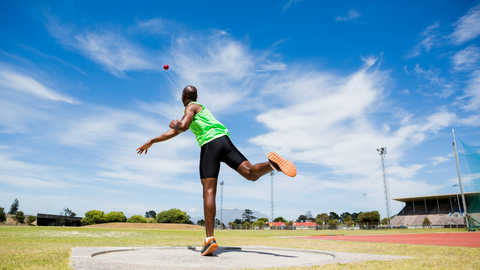
Throwing-related injuries are often influenced by the complex interaction of movement patterns and deficits throughout the kinetic chain that can increase stress on the shoulder and elbow. This course will explore how understanding throwing biomechanics helps clinicians identify the underlying contributors to injury, make more informed clinical decisions, optimize rehabilitation, and determine when an athlete can safely continue throwing, modify activity, or should temporarily stop throwing.
Learning Objectives
By the end of this course, participants will be able to:
- Define the key biomechanics involved in throwing motions and how they may impact loads on the shoulder and elbow.
- Review specific injury mechanisms in the shoulder and elbow and how they relate to throwing.
- Explore how throwing biomechanics influence injury risk.
- Discuss Strategies for biomechanical driven injury risk reduction.
- Explore intervention strategies that relate to throwing athletes; periodization, regional interdependence, sport specificity.
- Understand and consider roles and contributions from primary care sport med, PT and other healthcare professionals in the case of throwing related injuries in athletes
About the Speaker
Brendan Saville, PT, MPT, MCLSc(AHCP), Sport Dip.
Brendan Saville is a Registered Physiotherapist and Clinical Lead at Fowler Kennedy Sport Medicine Clinic, as well as the Lead Physiotherapist for Varsity Athletics at Fanshawe College. He has extensive experience working with athletes across multiple levels of competition, including professional and collegiate baseball players, as well as elite overhand throwing athletes such as javelin throwers. His clinical practice focuses on the assessment, rehabilitation, and performance optimization of athletes, with a particular interest in understanding how biomechanics, movement
The instructors

The Orthopaedic Division of the Canadian Physiotherapy Association helps our members improve their skills and service delivery through education, resources and networking.
With a reputation built on excellent instructors and a rigorous examination process, the Division offers tailored online e-learning, webinars, workshops, courses and practice resources for members at a reasonable cost and time commitment. Members learn from other practicing physiotherapists and stay current with a regularly updated curriculum and program delivery based on providing quality and modern treatment.
Material included in this course
-
Course Materials
-
Welcome and Slides
-
Full presentation
-
Feedback
Is a certificate of completion included with this course?
Once you have completed the course, a certificate of completion (including learning hours and course information) will be generated. You can download this certificate at any time. To learn more about course certificates on Embodia please visit this guide.
This can be used for continuing education credits, depending on your professional college or association. If this course has been approved for CEUs in specific jurisdictions, it will be noted on the course page and CEU information may be added to your course certificate. Please read this guide for more information.
I'm a member of the Canadian Physiotherapy Association (CPA). What are the discounts available to CPA Members on Embodia?
As part of our partnership with the CPA, we offer its members discounts on courses and Embodia Memberships. Learn more about the partnership on this page.
In order for the discount to be applied, you first need to authenticate your CPA membership. This is an important step as this is how Embodia 'knows' that you are a CPA member.
To authenticate as a CPA member, you need to sign in the CPA portal on this page, sign in to your CPA account, and then click the button on the page.
Please note that your email address on your CPA account must match your email address on Embodia. If needed, you can update your information on Embodia as outlined in this guide.
