
Beyond the Pelvic Floor: Phenotype-Directed Whole-Person Care for IC/BPS

Beyond the Pelvic Floor: Phenotype-Directed Whole-Person Care for IC/BPS
This course includes
The instructors
Overview
Despite decades of research, people with interstitial cystitis/bladder pain syndrome (IC/BPS) continue to face diagnostic delays, limited treatment options, persistent pain, and reduced quality of life. Patient advocates are calling for coordinated research, meaningful patient involvement, and care matched to individual needs.
In this free one-hour online course, Carolyn Vandyken shares highlights from ESSIC 2026, the leading international conference on the condition, and looks at how the 2026 ESSIC and AUA guidelines push the field toward phenotype-directed care, with a bigger role for physiotherapy.
You'll explore how IC/BPS without Hunner lesions differs from Hunner lesion disease, and why bladder-centric and systemic presentations need different plans. Then Carolyn asks a question that challenges a lot of current practice: is pelvic floor tenderness its own phenotype, or a sign of a nervous system that's dysregulated well beyond the pelvis?
Learning Objectives
This course is built for practitioners who want to move past a pelvic floor-only model and match their care to the person in front of them.
In this online course, we will:
- Critically evaluate whether pelvic floor involvement is a distinct IC/BPS phenotype
- Explore pelvic floor tenderness as a shared feature of chronic overlapping pain conditions.
- Consider a whole-person, lifestyle-based approach to care that goes beyond pelvic floor treatment
- Identify key elements of a coaching approach to physiotherapy.
Audience
This course is for pelvic health physiotherapists, occupational therapists, and other practitioners who work with people living with IC/BPS or persistent pelvic pain. It's also relevant for orthopaedic and pain science clinicians who see chronic overlapping pain conditions such as fibromyalgia in their caseload. If you rely mostly on internal trigger point work and feel your results have stalled, this session gives you a framework for rethinking what you're treating and why.
Whether you're newer to IC/BPS or have years of pelvic health experience, you'll leave with a clearer view of where current thinking is headed and practical ideas for bringing a coaching approach into your sessions.
Why This Course Matters
IC/BPS research has been fragmented for years, and grouping very different patients under one diagnosis has diluted results and slowed progress. Pelvic floor muscle tenderness shows up in up to 87% of people with IC/BPS, which makes it easy to treat as the main problem.
The evidence increasingly points the other way: tenderness often reflects nociplastic pain and multisystem dysregulation, and isolated trigger point treatment shows limited and inconsistent benefit.
Under ICD-11, much of chronic pelvic pain falls under chronic primary pain, so your assessment needs to capture distress, central sensitivity, and the impact of trauma, using tools like the 3PSQ and the Central Sensitization Inventory (CSI).
This course shows how you can step into a case management role, using trauma-informed principles, pain education, movement, and lifestyle change to help patients regain a sense of control.
Related Learning
Ready to go deeper? These courses and resources build on the ideas in this session.
- Biopsychosocial Reframed 2.0: Carolyn's self-paced course turns this session's thinking into a full clinical framework. Over 12 hours of recorded teaching, you'll learn to assess and treat persistent pelvic and musculoskeletal pain using the Fit-for-Purpose Model, validated screening questionnaires, and patient-centred communication.
- My Year of Mentorship 2027 (registration now open!): Building A Practical Pelvic Health Playbook Want to put this into practice with support? Join Carolyn and 12 guest instructors for a year of live sessions, mentorship, and partner work, covering trauma-informed care, pain science, the 3PSQ, and more. The cohort is capped at 75 practitioners.
- Embracing a Biopsychosocial Approach in Pelvic Health: Introducing the 3PSQ and Fre-PAQ A practical look at the screening tools mentioned in this course, and how they help you see the whole person behind the pelvic pain.
- New on Embodia: Carolyn Vandyken's Whole-Person Pelvic Health Patient Education: Explore Carolyn's patient education resources, built to support the whole-person conversations this course encourages.
The instructors
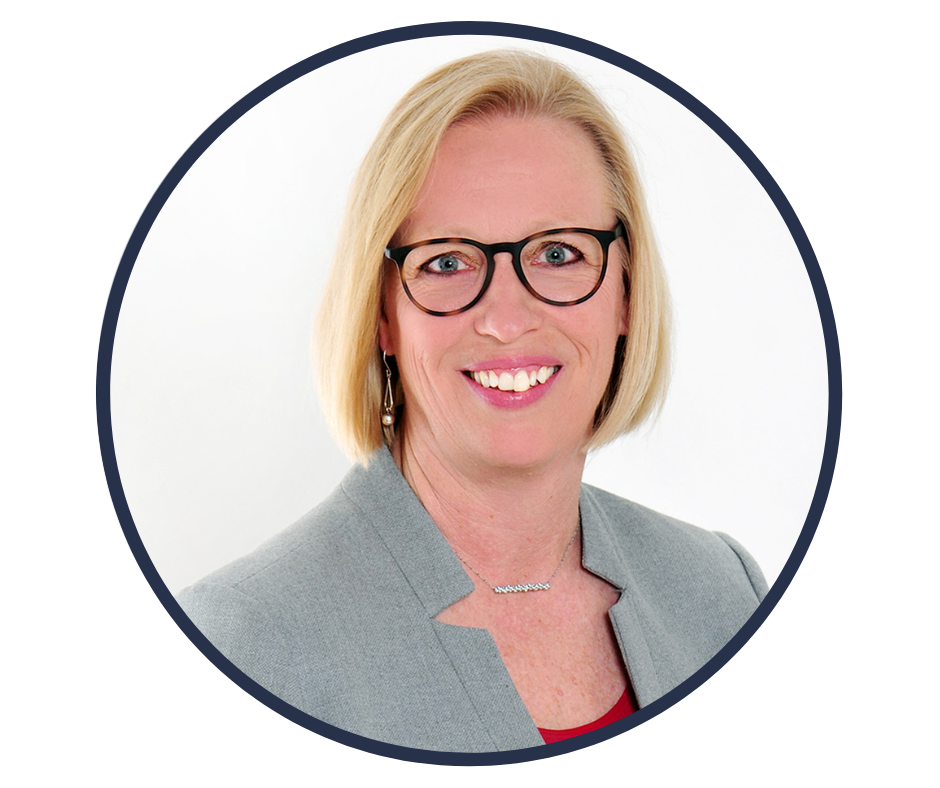
BHSc (PT), CredMDT, CCMA
Carolyn is the co-owner of Reframe Rehab, a teaching company engaged in breaking down the barriers internationally between pelvic health, orthopaedics and pain science. Carolyn has practiced in orthopaedics and pelvic health for the past 40 years. She is a McKenzie Credentialled physiotherapist (1999), certified in acupuncture (2002), and obtained a certificate in Cognitive Behavioural Therapy (CBT) in 2017.
Carolyn received the YWCA Women of Distinction award (2004) and the distinguished Education Award from the OPA (2015). Carolyn was also awarded the Medal of Distinction from the Canadian Physiotherapy Association in 2021 for her work in pelvic health and pain science.
Carolyn has been heavily involved in post-graduate pelvic health education, research in lumbopelvic pain, speaking at numerous international conferences and writing books and chapters for the past twenty years in pelvic health, orthopaedics and pain science.

Online Teaching Company
We are a passionate group of highly trained clinicians who champion virtual, live online education courses to develop a biopsychosocial framework for your clinical practice. Our mission is to break down the silos in clinical practice between musculoskeletal pain, pelvic pain, pain neuroscience education, and psychology by providing timely, cost-effective, live online learning opportunities from the world's leading clinical educators on these topics.
Interested in learning more about Reframe Rehab or taking a course with us? Check us out on Instagram @reframerehab or visit our website https://reframerehab.com/ to view all our course offerings.
Material included in this course
-
Course Materials
-
Welcome and Slides
-
Full Presentation
-
Summary and Key Insights
-
Related Learning
-
Feedback
Is this course free?
Yes, this course is free for everyone until January 28, 2027. Afterwards, it will be free for Embodia Members only. Create a free Embodia account and you can start watching right away.
Is a certificate of completion included with this course?
Once you have completed the course, a certificate of completion (including learning hours and course information) will be generated. You can download this certificate at any time. To learn more about course certificates on Embodia please visit this guide.
This can be used for continuing education credits, depending on your professional college or association. If this course has been approved for CEUs in specific jurisdictions, it will be noted on the course page and CEU information may be added to your course certificate. Please read this guide for more information.
Is this a complete course on treating IC/BPS?
No, and it isn't meant to be. Think of it as an introduction. In one hour, Carolyn shows you why phenotyping matters, why pelvic floor tenderness may point to wider nervous system dysregulation, and what a whole-person approach can look like. If you want to build the assessment and treatment skills behind that approach, Carolyn teaches two longer programs on Embodia: Biopsychosocial Reframed 2.0 and My Year of Mentorship 2027: Building A Practical Pelvic Health Playbook