
Mobilizing Patients on Extracorporeal Membrane Oxygenation (ECMO)
Mobilizing Patients on Extracorporeal Membrane Oxygenation (ECMO)
This course includes
The instructors
Overview:
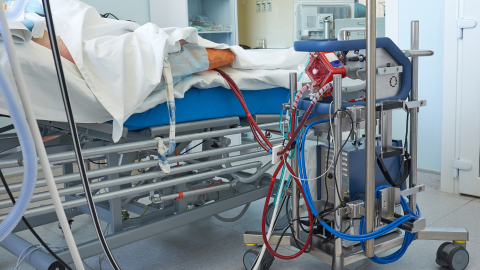
Mobilizing critically ill patients on Extracorporeal Membrane Oxygenation (ECMO) requires advanced clinical reasoning, multidisciplinary coordination, and a strong understanding of cardiopulmonary support. ECMO provides temporary life‑saving respiratory and circulatory support by oxygenating blood outside the body, allowing the heart and lungs time to rest and heal.
This evidence‑informed course discusses how two Canadian ECMO programs have developed strategies for safe mobility, screening criteria, practical guidance, and case examples that support physiotherapy involvement in ECMO patient care.
Learning Objectives
-
Understand ECMO Fundamentals
Describe the principles of ECMO, its role in critical care, and patient physiology during extracorporeal support. -
Screening & Candidacy for Mobilization
Identify clinical considerations and screening processes to determine when patients supported by ECMO may be appropriate candidates for movement or rehabilitation. -
Interprofessional Mobility Guidelines
Explain guidelines and practical strategies used by ECMO programs to safely mobilize patients, including risk assessment and team coordination. -
Case Studies & Real‑World Application
Apply mobility principles through case discussions and audience questions to enhance clinical confidence and decision‑making.
Audience
This course is ideal for clinicians involved in critical care and cardiopulmonary rehabilitation, including but not limited to:
-
Physiotherapists and physiotherapy assistants
-
Critical care clinicians and advanced practice providers
-
Rehabilitation specialists in acute care settings
-
Allied health professionals working with medically complex ICU patients
Clinical Relevance
Physiotherapists increasingly play a role in early mobility for critically ill patients to prevent ICU‑acquired weakness and improve functional outcomes. Mobilization of ECMO patients can be safe and feasible with appropriate clinical screening, multidisciplinary collaboration, and careful monitoring during physical activity.
About the Presenters
Vincent Lo, PT – Vincent is a physiotherapist at Toronto General Hospital’s MSICU with extensive experience in critical care rehabilitation. He has been involved in clinical research and teaching in collaboration with the University of Toronto since 2001, contributing to ECMO mobilization practices and training.
Rys Chapple, PT – Rys is the Physiotherapy Critical Care Team Lead at Vancouver General Hospital with a passionate focus on ECMO care. He has supported national training initiatives on mobilization and proning for critical care patients and engages in mentorship and teaching to advance clinical practice.
Accreditation & CEUs
This course is offered by the Canadian Physiotherapy Association and may count toward continuing education requirements, depending on your professional jurisdiction.
The instructors
Material included in this course
-
Course Materials
-
Circulatory Systems
-
Studies
-
Screening for Candidacy
-
Mobility Guidelines
-
Interview Questions
-
Case Studies
-
Audience Questions
-
Feedback
I'm a member of the Canadian Physiotherapy Association (CPA). What are the discounts available to CPA Members on Embodia?
As part of our partnership with the CPA, we offer its members discounts on courses and Embodia Memberships. Learn more about the partnership on this page.
In order for the discount to be applied, you first need to authenticate your CPA membership. This is an important step as this is how Embodia 'knows' that you are a CPA member.
To authenticate as a CPA member, please visit this page on the CPA portal.
Please note that your email address on your CPA account must match your email address on Embodia. If needed, you can update your information on Embodia as outlined in this guide.
Is a certificate of completion included with this course?
Once you have completed the course, a certificate of completion (including learning hours and course information) will be generated. You can download this certificate at any time. To learn more about course certificates on Embodia please visit this guide.
This can be used for continuing education credits, depending on your professional college or association. If this course has been approved for CEUs in specific jurisdictions, it will be noted on the course page and CEU information may be added to your course certificate. Please read this guide for more information.