
Orthopedic Surveillance for Children with Cerebral Palsy
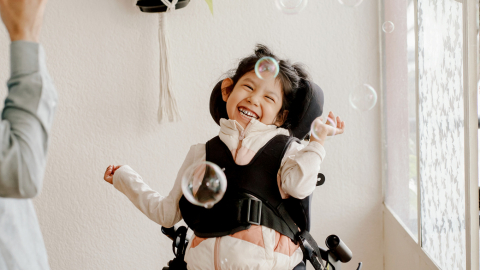
Orthopedic Surveillance for Children with Cerebral Palsy
This course includes
The instructors
Overview
This course provides an introduction to orthopedic surveillance for children with cerebral palsy, focusing on common musculoskeletal impairments that contribute to pain and functional limitations. The session reviews the etiology of hip, foot, and knee problems in children and adults with cerebral palsy and discusses potential surveillance strategies that can help detect these issues early. The role of community health care providers — including physiotherapists and pediatricians — in implementing surveillance initiatives is also examined. The course highlights recent hip surveillance work in Saskatchewan and considers how individualized ankle‑foot orthoses (AFOs) may help prevent foot and knee pain in this population.
Why This Course Matters
Orthopedic complications in children with cerebral palsy — such as hip displacement, contractures, and gait‑related impairments — are common and can lead to pain, reduced function, and increased caregiver burden if not identified and managed early. Hip surveillance programs have been developed internationally and in Canada to systematically monitor at‑risk children and reduce the likelihood of advanced pathology. Community clinicians, particularly physiotherapists, play a key role in these surveillance efforts by performing regular assessments, recognizing early signs of musculoskeletal change, and facilitating timely intervention.
Learning Objectives
By the end of this course, participants will be able to:
-
Describe the most common musculoskeletal impairments associated with cerebral palsy and how they contribute to pain and dysfunction
-
Explain orthopedic surveillance concepts for children with cerebral palsy
-
Identify the role of community health care providers in implementing surveillance initiatives
-
Discuss the potential use of individualized ankle‑foot orthoses (AFOs) in preventing lower extremity pain and complications
-
Recognize practical considerations for surveillance and early detection in clinical practice
Audience
This course is designed for clinicians and healthcare professionals involved in pediatric care or rehabilitation, including:
-
Physiotherapists working with children and youth with cerebral palsy
-
Pediatricians and pediatric specialists
-
Rehabilitation assistants and allied health professionals
-
Clinicians interested in musculoskeletal surveillance and early intervention strategies for children with neuromotor conditions such as cerebral palsy
The instructors

The Paediatric Division is a special interest group within the Canadian Physiotherapy Association. Our membership consists of clinicians from all practice settings, students, educators, researchers, physiotherapy assistants and administrators all of whom have a passion for promoting participation and enhancing the lives of children and their families. We are dedicated to provide resources and information for paediatric patients and their families to promote participation and function independence in all aspects of life.
Paediatric physiotherapists employ clinical expertise in the early detection of health problems, treatment, education and management of congenital, developmental, neuromuscular, skeletal, cardiorespiratory or acquired disorders/diseases. Paediatric physiotherapists work with children of all ages, from infants through young adulthood to promote participation and functional independence. Paediatric physiotherapists have a unique role in that they not only work with the child, but also their families in the context of their daily home, school and recreational environment.
Paediatric physiotherapists use validated outcome measures to assess the level of strength, flexibility, gross-, and fine-motor coordination and overall functional capabilities to determine participation limitations or restrictions as a result of injury, disease or disability.
Through analysis of objective assessment findings, the paediatric physiotherapist uses evidence-based treatment interventions specifically tailored to the client and their family's goals. Treatment interventions focus on improving gross and fine motor skills, balance and coordination, strength and endurance, as well as cognitive and sensory processing/integration.
BScPT, MSc, PhD
Dr. Kyra Kane has been a registered physical therapist since 1997, with clinical experience in pediatrics and orthopaedics. She is a full-time clinician, and adjunct professor in the School of Rehabilitation Science at the University of Saskatchewan. Kyra has an MSc in Kinesiology and Health Studies, a PhD in Health Sciences, and extensive postgraduate training and clinical experience in biomechanical gait analysis and orthotic intervention.
Kyra is passionate about supporting the clinical application of evidence and best practices. She has presented her research nationally and internationally through journals, conferences, lectures, and webinars. Her research interests include examining evidence-based use of individualized ankle-foot orthoses (AFOs) for children, understanding the experiences of children and clinicians with AFO prescription, and improving pediatric gait measurement and rehabilitation outcomes.
Material included in this course
-
Orthopedic Surveillance for Children with Cerebral Palsy: Can Community Practitioners Help Mitigate Future Pain?
-
Introduction
-
Hip Pain
-
Foot and Knee Pain
-
Wrapping Up
-
Audience Questions
-
Feedback