
Unlocking the Mystery of Atypical BPPV
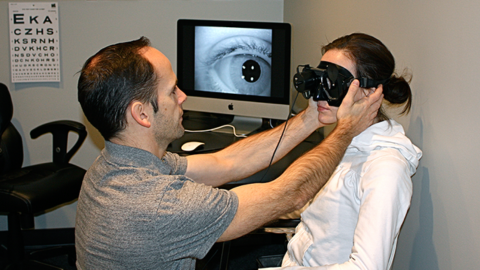
Unlocking the Mystery of Atypical BPPV
1 hour
The instructors
Overview
Have you ever been stumped by a patient who seemed to have BPPV, but whose presentation just didn’t fit the pattern?
BPPV is often straightforward to recognize and treat—until it’s not. Sometimes the expected nystagmus is absent, or the findings seem opposite to what you’d normally expect. What’s going on in these cases?
Join Kregg Ochitwa in this live online webinar as we explore how to recognize, understand, and manage the atypical forms of BPPV.
In this session, we’ll classify these unusual presentations, review why they behave this way, and discuss practical strategies that have proven effective in resolving them.
Whether you’re new to vestibular therapy or have years of experience, this webinar will deepen your understanding and help you approach those “odd” cases with greater clarity and confidence.
Learning Objectives
By the end of this webinar, you will be able to:
- Classify several atypical presentations of BPPV.
- Understand the underlying mechanisms that explain their unusual behaviour.
- Identify the clinical signs that suggest an atypical form of BPPV.
- Explore treatment options for managing these challenging cases.
- Apply a structured approach to improve your confidence, clinical reasoning, and outcomes.
Bottom Line
While most cases of BPPV can be treated in a straightforward manner, atypical presentations require deeper insight into vestibular physiology and pathology.
This webinar will highlight key findings from the literature, share practical strategies you can apply immediately, and ultimately help you achieve better outcomes for those patients who don’t fit the “typical” mold.
Audience
This course is designed for physiotherapists (physical therapists) and other allied health professionals who assess and treat patients with dizziness or balance disorders.
If you’ve ever been puzzled by a “not-so-classic” BPPV presentation, this webinar is for you.
Registration and What's Included
Registration includes:
- Ability to attend the live webinar
- Live Q&A session during the webinar - bring your questions!
- Lifetime access to the recording
- Downloadable slides
- Certificate of completion
The registration fees for this webinar are as follows:
- Regular Registration: CAD $35
- Embodia Member Registration: CAD $30
The instructors

BScPT, CWCE, CredMDT
Kregg has been a registered physical therapist since 1995. Over the years, his caseload has evolved from exclusively orthopedic care to a blend of orthopedic and vestibular rehabilitation. With this background, he has established a strong reputation in concussion management, having treated athletes in the NFL, CFL, collegiate ranks, WHL, high school athletics, and the dedicated weekend warrior.
In 1998, he completed his first course in vestibular rehabilitation. In 2008, he fulfilled all requirements of the Vestibular Rehabilitation: A Competency-Based Course at Emory University in Atlanta, Georgia. Since then, he has pursued extensive continuing education throughout North America in orthopedics, traumatic brain injury, and vestibular therapy. In 2025, he earned the designation of Advanced Vestibular Physical Therapist (AVPT) through the University of Pittsburgh.
Given his commitment to ongoing education and evidence-based practice, Kregg has been invited to teach weekend courses and present at conferences throughout North America and Europe. He looks forward to sharing what he has learned over the years to help other clinicians achieve better outcomes in less time.
In 2010, Kregg founded North 49 Physical Therapy and the North 49 Balance & Dizziness Centre in his hometown of Saskatoon, Saskatchewan. What began as a single-clinician practice has grown to a team of six physical therapists, with more than half of the clinic’s caseload consisting of patients with dizziness and balance disorders. The clinic collaborates closely with a trusted network of consultants, including specialists in otolaryngology, neurology, neuro-ophthalmology, audiology, occupational therapy, psychology, and neuropsychology.
Too many people live with dizziness unnecessarily, and Kregg’s goal is to help change that.